
What are the key differences in marketing to Gen Z compared to Millennials?
Marketing to Gen Z requires a different approach than other generations. Known for their digital prowess, Gen Zers have grown up in a world where social media and smartphones dominate, shaping their love for transparency and engaging content from the brands they support. With this tech-savvy generation accounting for a whopping 26% of the U.S. population, capturing their attention is essential for brands to drive future growth. Let’s explore some top tips to connect with this influential generation.

Let’s start by getting to know Gen Z and how they differ from previous generations. This understanding is key to crafting effective marketing strategies.
Gen Z vs Millennials
Gen Z and Millennials are often lumped together, but they’re quite different. Gen Z, born after the mid-90s, is younger than Millennials, who are now in their late 20s to early 40s. This age gap means Gen Z has grown up in a very different world. They’re true digital natives, never knowing a time without the internet or smartphones.
Their shopping habits differ, too. Gen Z is more likely to shop online and use social media for product research. They’re also more budget-conscious, having grown up during the Great Recession.
Technology’s Impact on Gen Z
Technology is woven into every part of Gen Z’s lives. They’re the first generation to grow up with smartphones as a constant companion. This generation uses multiple social media platforms daily, and are quick to adopt new apps and platforms, always looking for the next big thing.
Their relationship with technology impacts how they consume information, as well. Gen Z prefers bite-sized, visual content and interactive experiences.
Gen Z’s Growing Market Power
Gen Z currently makes up about 26% of the U.S. population and their spending power is on the rise. By 2020, Gen Z was expected to represent 40% of all consumers, influencing family purchasing decisions and shaping brand preferences.
Companies that can tap into this market stand to gain a lot, but it requires understanding Gen Z’s unique preferences and values.
Authenticity in Advertising

Transparency Over Traditional Ads
Gen Z has grown up in a world ofconstant advertising. As a result, they’ve developed a keen eye for spotting traditional marketing tactics.
They prefer brands that are open and honest about their products and values. This generation wants to know the story behind the brand. Brands that fail to be upfront risk losing Gen Z’s trust and business.
Real-Life Example: Men’s Wearhouse
Men’s Wearhouse found a clever way to connect with Gen Z college students. They offered value through education by hosting meetings for student organizations before career fairs to help students put their “best suit forward.”
This approach allowed Men’s Wearhouse to:
- Appear genuine and helpful
- Provide valuable information
- Build brand awareness without hard selling
Power of Influencer Marketing

Influencer marketing is particularly effective with Gen Z. Let’s explore why and how to use it effectively.
Social Media’s Role
Social media is Gen Z’s primary source of entertainment, information, and social interaction. Brands need to have a strong presence on a variety of platforms to reach this audience. But, brands need to ensure their content is engaging, authentic, and tailored to each platform’s unique style.
YouTube and Instagram Influence
YouTube and Instagram are powerful visual platforms that align well with Gen Z’s preference for image and video content. A Think With Google report found that 70% of Gen Z YouTube subscribers view YouTubers as more relatable than mainstream celebrities. This presents a big opportunity for brands. Partnering with the right influencers can help you tap into established, trusting relationships with your target audience.
Rethinking Discounts and Online Ads

While discounts and online ads are staples of digital marketing, they may not be as effective with Gen Z.
Gen Z’s Discount Preferences
Gen Z doesn’t chase discounts like previous generations. Only 46% said they’d visit a website for a coupon, compared to 67% of Millennials. Gen Z still likes saving money, but they prefer personalized offers and rewards for loyalty over generic discounts.
Luxury Brand Appeal
Surprisingly, Gen Z shows a stronger preference for luxury brands compared to Millennials. This goes against the assumption that younger consumers are always more price-sensitive.
A RetailDive study found that Gen Z is more likely to purchase luxury items than Millennials. This trend suggests that Gen Z values quality and brand reputation, often prioritizing these over price.
Brand Loyalty Challenges
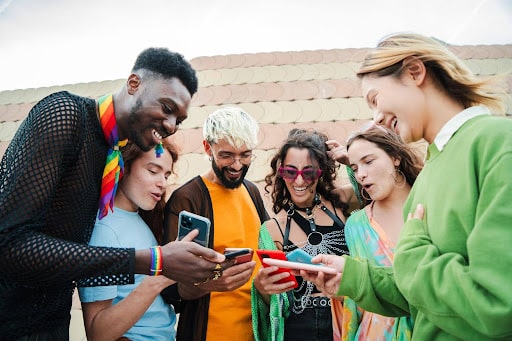
Building brand loyalty with Gen Z presents unique challenges. They’re less likely to stick with one brand, preferring variety and novelty.
Independence and Originality
Gen Z values independence and focuses on expressing their individuality, which translates to their shopping habits. They’re more likely to mix and match brands rather than sticking to one. Brands need to offer customization and personalization options to appeal to this desire for uniqueness.
Loyalty Program Preferences
Only 30% of Gen Z felt traditional loyalty programs were worth the effort, compared to 45% of Millennials. Gen Z prefers programs that offer immediate rewards, exclusive experiences, or align with their values (like sustainability or social causes).
Looking Ahead: Marketing to Gen Alpha
As we turn our attention to the youngest cohort, Generation Alpha, born from 2010 onwards, we’re witnessing the dawn of a new consumer landscape. This generation is growing up in an unprecedented tech-driven environment, where AI and augmented reality are commonplace. Predictions for marketing to Gen Alpha center around hyper-personalization, immersive experiences, and ethical brand alignment. This group is also anticipated to hold brands to higher ethical standards, valuing sustainability and social responsibility. Engaging with these digital natives will require a seamless blend of innovative tech and authentic storytelling. Brands that can adapt to these expectations stand to gain unparalleled loyalty from this emerging powerhouse generation.
We hope this article helped you understand the differences between Millennials, Gen Z, and Gen Alpha and how to market to each generation. Campus Commandos’ App gives you access to your target audience to ask questions and gather feedback from the generation you’re trying to reach before launching your next campaign.
Sources
Adam Grant CEO Campus Commandos Forbes Article