
Connecting with Gen Z students on college campuses can be both exciting and rewarding for brands looking to expand their reach. Indeed, this tech-savvy and trendsetting generation is reshaping how we think about marketing by demanding authenticity and interactive experiences. Therefore, from creative campus events to innovative digital campaigns, there are countless college marketing ideas that can captivate this unique audience. So, get ready to explore college marketing ideas that have helped top brands make a lasting impression on students, proving that engaging with Gen Z is not just smart—it’s essential. Whether you’re a marketing manager or a business eager to connect with the next generation of consumers, these college marketing ideas will not only inspire but also guide your approach. For more insights on engaging Gen Z in higher education, check out thiscomprehensive guide on modern student marketing tactics.ng tactics.
Engaging Campus Marketing Events
Campus marketing events are a powerful way to connect with Gen Z students directly. These face-to-face interactions create memorable experiences that can leave a lasting impression on your target audience.
Pop-Up Marketing Experiences
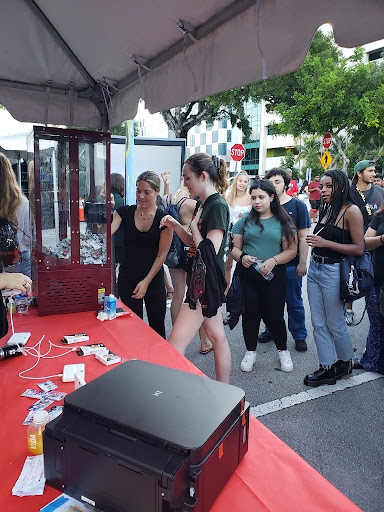
Pop-up marketing experiences offer a unique way to grab students’ attention on campus. These temporary installations can be eye-catching and interactive, drawing curious passersby.
Interactive Workshops
Interactive workshops provide value to students while showcasing your brand’s expertise. These events can cover topics relevant to students’ interests or career goals.
When planning a workshop, focus on hands-on activities that encourage participation. For instance, a marketing firm could host a session on creating effective social media content, allowing students to practice with real tools.

Invite industry experts or successful alumni as guest speakers to add credibility and draw more attendees. This approach can also helpbuild connections between your brand and the academic community.
Follow up with participants after the workshop, offering additional resources or opportunities to stay engaged with your brand.
Digital Campaign Magic
In today’s digital-first world, online campaigns are essential for reaching Gen Z. These strategies leverage the platforms where students spend much of their time, creating opportunities for viral engagement.
Social Media Challenges
Social media challenges tap into Gen Z’s love for creativity and sharing. These campaigns encourage students to create and post content related to your brand or message.
When designing a challenge, keep it simple and fun. For example, a sportswear brand might ask students to share videos of their most impressive athletic feats using a branded hashtag.
Offer incentives for participation, such as prizes or the chance to be featured on your brand’s official accounts. This can boost engagement andmotivate students to spread your message.
Monitor the challenge closely and engage with participants by liking, commenting, or resharing their content. This interaction can help build a sense of community around your brand.
Influencer Collaborations
Partnering with influencers can significantly amplify your reach among Gen Z students. These collaborations lend authenticity to your message and tap into existing fan bases.
When selecting influencers, look for those who align with your brand values and have a genuine connection to your target audience. Micro-influencers with a strong campus presence can be particularly effective.
Work with influencers to create content that feels natural and authentic. Avoid overly scripted promotions, as Gen Z valuesgenuine recommendations.
Consider long-term partnerships rather than one-off posts. This approach can help build a stronger association between your brand and the influencer in students’ minds.
Creative Content Strategies
Content is king when it comes to engaging Gen Z. By creating compelling, shareable content, you can organically spread your message across campus and beyond.
Video Storytelling
Video content is highly engaging for Gen Z students, who are accustomed to consuming information in this format. Short-form videos, in particular, can be very effective.
When creating video content, focus on telling authentic stories that resonate with students’ experiences or aspirations. For instance, a tech company might showcase how their products help students achieve their goals.
Keep videos concise and visually appealing. Use captions or subtitles to make them accessible even when viewed without sound, as many studentswatch videos on mute.
Experiment with different video formats, such as behind-the-scenes glimpses, how-to tutorials, or day-in-the-life features. This variety can help keep your content fresh and engaging.
User-Generated Content
User-generated content (UGC) is a powerful tool for building trust and authenticity with Gen Z. This approach involves showcasing content created by students themselves.
Encourage students to share their experiences with your brand or product. This could be through reviews, testimonials, or creative interpretations of your brand message.
Create a dedicated hashtag or submission process to collect UGC. Feature the best submissions on your official channels, giving credit to the creators. This recognition canmotivate more students to participate.
Consider running UGC contests with prizes to boost participation. However, ensure that the rules and judging criteria are clear and fair to maintain trust with your audience.
By implementing these strategies, brands can effectively connect with Gen Z students on college campuses. Remember to stay authentic, provide value, andadapt to the ever-changing preferences of this dynamic generation. For more insights on marketing to Gen Z in higher education, check out Campus Commandos