
DePop Student Ambassador Program
Welcome to the world of campus fashion swaps, where style meets sustainability, and students redefine their wardrobes without breaking the bank. For example, at Arizona State University, students are swapping their Shein finds for unique vintage pieces, all while building a vibrant community around secondhand fashion. Consequently, the University Street Market brings together a mix of vintage vendors offering affordable treasures, and the campus-wide clothing swap transforms the way students shop and socialize. Furthermore, Depop’s presence on campuses across the U.S. is helping drive this shift, encouraging students to embrace circular fashion and make environmentally conscious choices. Therefore, join the movement and find out how these grassroots efforts are shaping the future of fashion, one swap at a time.

Scene is changing rapidly, with students embracing sustainable alternatives to fast fashion.
Let’s explore this shift and its impact on campus culture
From Fast Fashion to Vintage Finds
College students are turning away from fast fashion brands like Shein in favor of vintage and secondhand clothing. This shift is driven by a growing awareness of the environmental impact of disposable fashion.
Students are finding that vintage markets and thrift stores offer unique pieces at affordable prices. These options allow them to express their style while being budget-conscious.
The appeal of vintage fashion goes beyond sustainability. Many students enjoy the thrill of finding one-of-a-kind items that set them apart from their peers.
The Role of Student Fashion Collectives
Student fashion collectives are playing a key role in promoting sustainable fashion on campuses. These groups organize events, workshops, and swaps that bring like-minded students together.
At Arizona State University, the Student Fashion Collective has been instrumental in organizing fashion events and educating peers about sustainable choices. They’ve created a platform for students to explore and express their style sustainably.
These collectives often collaborate with local vintage sellers and sustainable brands, creating a bridge between students and ethical fashion options.
Depop’s Campus Influence

Depop, the popular resale app, is making waves on college campuses by promoting circular fashion and building communities around secondhand clothing.
Building Community Through Thrifting
Depop’s presence on campuses has created a sense of community around thrifting and sustainable fashion. Students are connecting over shared interests in vintage finds and unique style.
The app’s social features allow students to follow each other, share their latest thrift hauls, and engage in conversations about fashion and sustainability. This digital community extends to real-life interactions, with students organizing meetups and swap events.
Depop has tapped into the college demographic’s desire for both individuality and connection, making thrifting a social activity as much as a shopping experience.
The Depop Ambassador Experience
Depop’s student ambassador program is giving fashion-savvy students a platform to promote sustainable shopping on their campuses. These ambassadors act as brand representatives and community organizers.
Ambassadors organize events, share tips on successful selling, and educate their peers about the benefits of circular fashion. They gain valuable marketing and event planning experience while promoting a cause they believe in.
The program also offers opportunities for career development, with some ambassadors going on to internships or full-time positions with Depop or other fashion companies.
Sustainable Fashion’s Impact
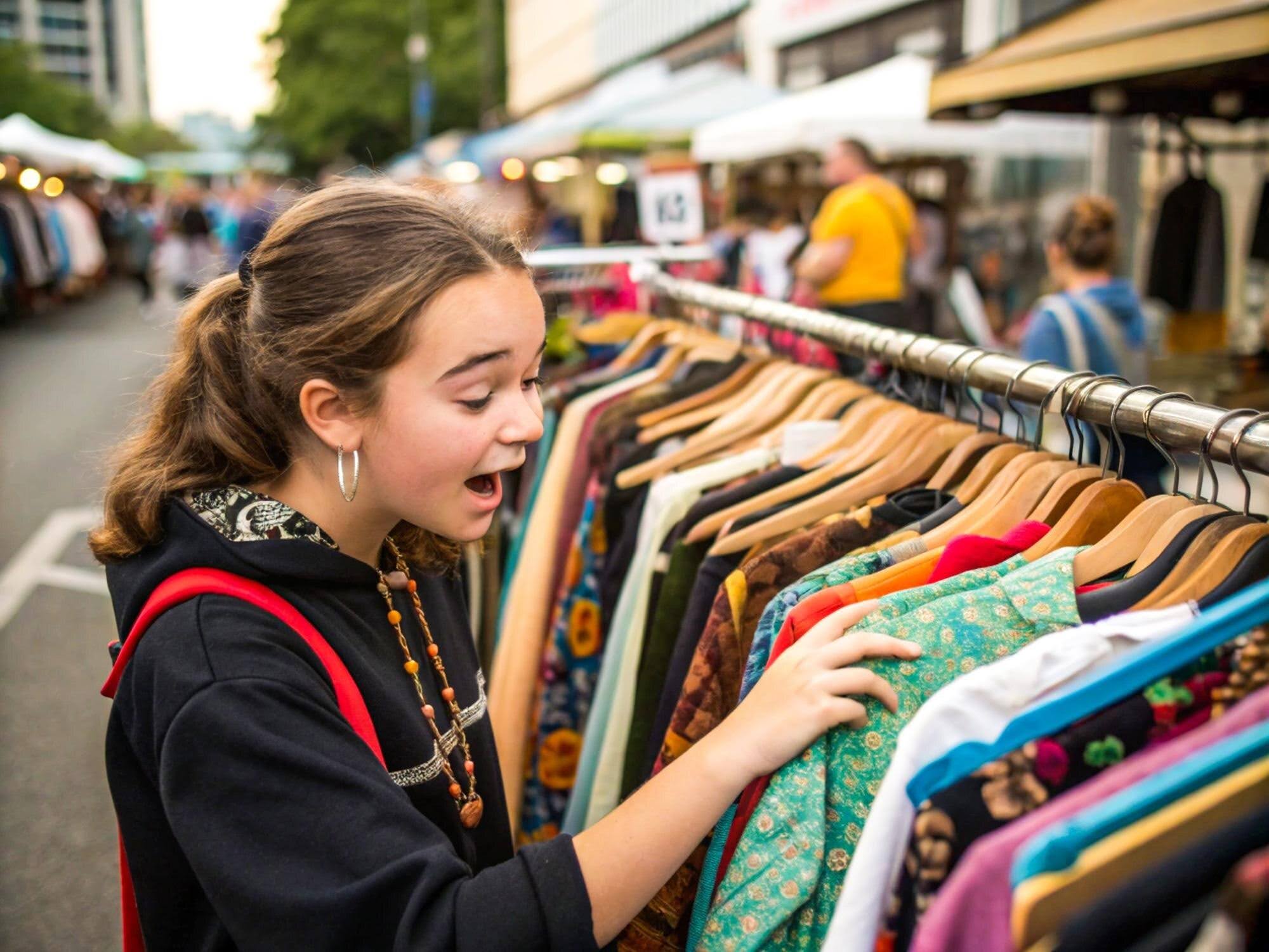
The shift towards sustainable fashion is having a significant impact on campus culture and individual expression.
Creative Expression Through Thrifting
Thrifting and vintage shopping are allowing students to express their creativity through fashion in new ways. Each piece tells a story and offers a chance for personal styling.
Students are mixing and matching eras, creating unique outfits that reflect their personalities. This approach to fashion encourages experimentation and self-expression.
The hunt for vintage pieces has become a creative outlet for many students, allowing them to curate their personal style beyond current trends.
Shifting the Narrative on Secondhand Fashion
The stigma around secondhand clothing is fading on college campuses. Students are proudly showcasing their thrifted finds and vintage pieces.
This shift is changing conversations around fashion, with more focus on sustainability, quality, and individuality rather than following fast-moving trends.
Students are becoming advocates for sustainable fashion, influencing their peers and challenging the dominance of fast fashion brands on campuses.
The University Street Market Phenomenon
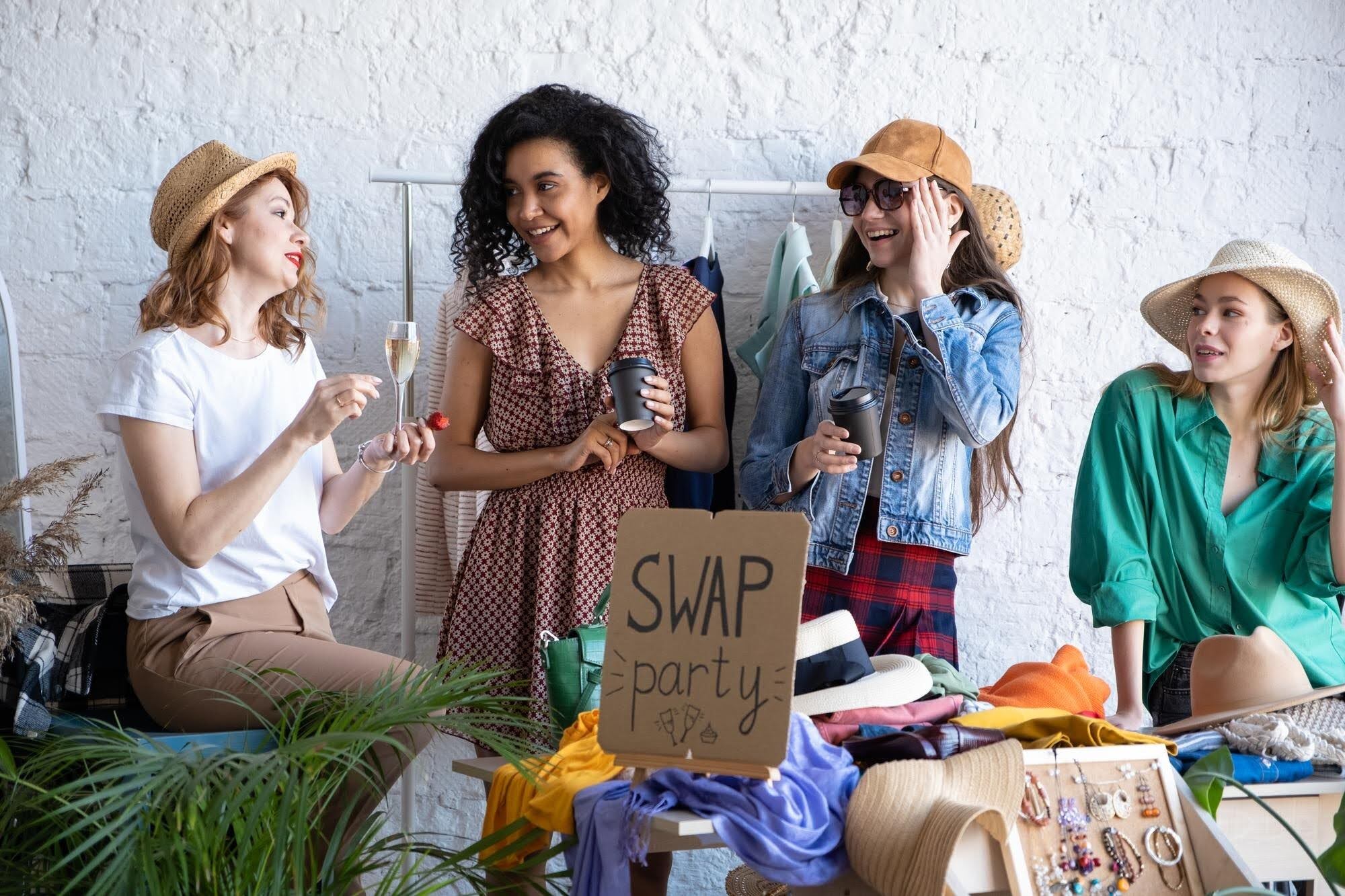
University street markets are becoming hubs for sustainable fashion, offering students access to unique and affordable clothing options.
Vintage Vendors Offer Unique Finds
At Arizona State University, the weekly University Street Market has become a go-to destination for students seeking vintage and secondhand clothing. Vendors offer a wide range of styles at student-friendly prices.
These markets create a fun, social shopping experience that contrasts with online or mall shopping. Students can try on clothes, get styling advice, and interact with sellers.
The popularity of these markets is encouraging more vendors to participate, increasing the variety and quality of available items.
Apply
You can apply for the DePop Student Ambassador Program here
Sources
DePop
Teen Vogue
Campus Commandos